Tuesday, December 8, 2020

Conair HC201 Chrome Deluxe Custom Cut Home Haircutting Kit 21 PCS OPEN BOX USED

Esp when considering costs are recouped by the second hair cut. Anyways, improved performance from the new clipper was significant and noticeable. And it's nice getting all the clipper heads - our old model only had half the clipper guards. The old model was heavier and felt more solid (made from metal?) while the new one is lighter (made from plastic?). It doesn't feel as solid, but this is for home use, so this should be fine for low volume use.
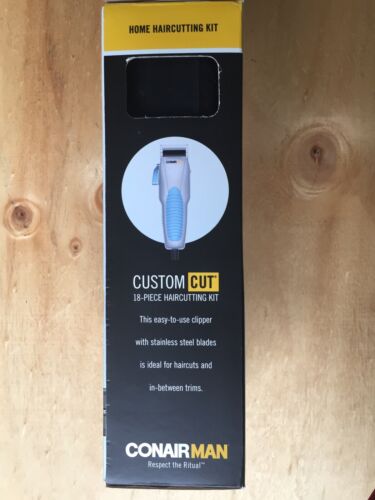
conair custom cut home haircutting kit

This product is great for styling and cutting hair, but getting yourself bald, this is not a trimmer for me. I purchased this product roughly two months ago for my spouse and I'm so glad I did. It gives some of the best cuts unlike some other brands.

Picture Information

Each retailer has a pricing policy that can be found on that retailer's page. Please click on each retailer to see that retailer's price for this product. Interest will be charged to your account from the purchase date if the balance is not paid in full within 6 months. If the item details above aren’t accurate or complete, we want to know about it. This is a private listing and your identity will not be disclosed to anyone except the seller. Qualifying purchases could enjoy No Interest if paid in full in 6 months on purchases of $99 or more.

Then, when you arrive at the store of your choice, use the Instacart app to notify us. Depending on the store, a shopper or store employee will bring the groceries to your car, or you can pick them up at the designated area. Get a professional, salon-like cut from the comfort of your own home with the Conair Haircut Kit. The kit comes with various combs and clips that allow you to give or get the exact cut you want. Whether you have long, thick hair or thin, medium length hair, you can use the hair tools on any length or texture of hair. The item may have some signs of cosmetic wear, but is fully operational and functions as intended.

Conair Pro 20 Piece Detachable Blade Chrome Haircut Kit Clipper Trimmer New

It's fast, efficient and not expensive at all to purchase. Also very easy to clean up after using it. My grandsons like their haircut's by Gaga too. We had a similar model where the clipper head became mis-aligned. The old clippers lasted about 10 years, so that's good enough for longevity.

conair custom cut home haircutting kit

Delivery times may vary, especially during peak periods. The complete haircutting kit for custom cutting and styling comes in a handsome metallic housing with a complete suite of accessories and a storage case. The eight comb attachments provide 45 settings for barbershop precision in the comfort of your home. For professional-quality haircuts and trims at home, check out our Custom Cut 21-Piece Chrome Haircut Kit.

Conair HC99FD Basic Cut 10pc Set Home Hair Cut Kit Grooming Hair Clippers Blue

The quiet DC motor drives blade speed and power, and diamond-sharpened carbon steel blades cut right to the chase. Using the Instacart app or website, shop for products from your store of choice near you. Once you place your order, Instacart will connect you with a personal shopper in your area to shop and deliver your order. Contactless delivery is available with our "Leave at my door" option. You can track your order's progress and communicate with your shopper every step of the way using the Instacart app or website. Cleared payment cleared payment - opens in a new window or tab.

conair custom cut home haircutting kit

I read the instructions completely before use, and followed them to the best of my ability. I don't understand why they pull his hair. My daughter bought this kit model HC248R for my husband and we just had the worst experience ever. The thing is not moving and bites the hair, Don't you test the machine before it leaves the factory? The price for this product is set by the individual retailers and varies among them.

Conair Custom Chrome Haircut Kit - 21pc

I have a lot of thick curly hair, and I needed a product that would pretty much tame it. I was shaving my hair for the summer, letting my hair breathe. It shaved it down to about a buzz cut, but I was trying to get it bald. I had to take a razor to the rest of my hair to get it all off.
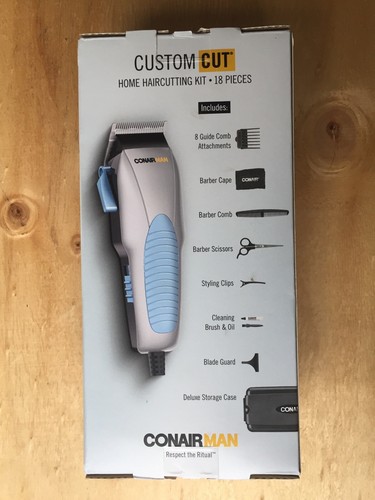
conair custom cut home haircutting kit

When an item you want is out-of-stock at the store, your shopper will follow your replacement preferences. With an optional Instacart+ membership, you can get $0 delivery fee on every order over $35 and lower service fees too. I've used it once, but was very disappointed. My son wears an undercut, and although his hair wasn't very long, the Clippers have a drag and pulled his hair.

Will usually ship within 1 business day of receiving cleared payment.

This item may be a floor model or store return that has been used. See the seller’s listing for full details and description of any imperfections. I bought this from Walmart, because I have 3 boys and a husband I give #2 fades to. I trust conair as a product for reliability and price. Custom Cut® 21-Piece Chrome Haircut Kit with Case cuts smoothly and eventually. I bought this to bring down my unruly hair.


Saturday, July 18, 2020

Incredible How To Make My Mouth Not Numb From Dentist 2023

What causes a numb mouth? Symptoms and treatments
What causes a numb mouth? Symptoms and treatments from www.medicalnewstoday.com

Do you dread going to the dentist because of the numbing sensation in your mouth? Are you tired of feeling like you can't speak or eat properly after a dental procedure? If so, you're not alone. Many people experience discomfort and frustration when their mouth is numb from a dental procedure. But fear not, because in this article, we will explore different techniques and tips on how to make your mouth not numb from the dentist.

One of the most common pain points associated with dental procedures is the numbness that follows. It can be challenging to go about your daily activities when you can't feel your mouth. Simple tasks like speaking, drinking, and eating become difficult, and it can be frustrating. Additionally, the numbness can last for hours, making it challenging to resume normal activities. But don't worry, there are ways to alleviate this discomfort.

The first step to make your mouth not numb from the dentist is to communicate with your dentist effectively. Let them know about your concerns and discomfort related to the numbing sensation. Your dentist can adjust the dosage of the anesthetic or use alternative techniques to minimize the numbness. They can also provide you with specific instructions and tips to help reduce the duration and intensity of the numbness.

In summary, to make your mouth not numb from the dentist, it is essential to communicate with your dentist effectively and follow their instructions. By doing so, you can minimize the discomfort and duration of the numbness, allowing you to resume your normal activities sooner.

How to Make Your Mouth Not Numb from the Dentist: A Personal Experience

As someone who used to dread dental visits due to the numbing sensation, I can relate to the frustration of not being able to feel my mouth. However, after discussing my concerns with my dentist, I learned a few techniques that have made a significant difference.

One tip my dentist shared was to avoid biting or chewing on your numb lips or tongue. This can lead to accidental injuries and prolong the numbness. Instead, try to eat soft foods or liquids until the numbness wears off. Additionally, gently massaging your lips and tongue can help stimulate blood flow and reduce the duration of the numbness.

Another technique I found helpful is to stay hydrated. Drinking water or swishing with warm saltwater can help soothe the numbness and promote faster recovery. It's also essential to avoid hot or cold foods and beverages, as you might not be able to gauge their temperature accurately.

Lastly, distraction techniques such as listening to music or watching a movie during the procedure can help take your mind off the numbness. Engaging in activities that require minimal mouth movement, such as reading or writing, can also help alleviate the frustration.

Understanding the Numbing Process: How Does It Work?

When you visit the dentist, they often administer local anesthesia to numb the area being treated. This is done to ensure a painless and comfortable procedure. The numbing effect is achieved by blocking nerve signals in the area, temporarily preventing pain sensations from reaching your brain.

The local anesthesia typically contains a medication called lidocaine or articaine, which is injected near the nerve endings. These medications work by blocking the sodium channels in the nerve cells, preventing them from sending pain signals. However, they also affect other sensory nerves, leading to a temporary loss of sensation in the surrounding area.

It's important to note that the duration and intensity of the numbness can vary depending on the individual and the type of dental procedure. Some people may experience longer-lasting numbness, while others may regain sensation relatively quickly.

The History and Myth of Numbness from Dental Procedures

The use of anesthesia in dentistry has come a long way since its inception. In the past, dental procedures were often performed without any form of pain relief, causing immense discomfort for patients. The introduction of local anesthesia revolutionized the field of dentistry, allowing for painless procedures and improved patient comfort.

However, there are some myths and misconceptions surrounding the numbness that follows dental procedures. One common myth is that the numbness can lead to permanent damage or loss of sensation. While it's true that the numbness can be prolonged, it is typically temporary and resolves on its own.

Another myth is that the numbness is a sign of a botched procedure or negligence on the part of the dentist. In reality, the numbness is a normal side effect of the anesthesia and does not indicate any wrongdoing on the dentist's part.

The Hidden Secret to Minimize Numbness

While there is no foolproof way to completely eliminate numbness after a dental procedure, there are a few hidden secrets that can help minimize its duration and intensity.

One secret is to avoid excessive movement or stimulation of the numbed area. Chewing gum or engaging in activities that require excessive mouth movement can prolong the numbness. It's best to rest and allow your body to recover naturally.

Another secret is to follow your dentist's post-procedure instructions diligently. They may advise you to avoid certain foods, medications, or activities that can interfere with the healing process. By adhering to these instructions, you can promote faster recovery and minimize the numbness.

Recommendations to Make Your Mouth Not Numb from the Dentist

Based on my personal experience and discussions with my dentist, here are some recommendations to make your mouth not numb from the dentist:

1. Communicate your concerns and discomfort with your dentist.

2. Follow your dentist's instructions and recommendations for post-procedure care.

3. Avoid biting or chewing on your numb lips or tongue.

4. Eat soft foods or liquids until the numbness wears off.

5. Stay hydrated by drinking water or swishing with warm saltwater.

6. Avoid hot or cold foods and beverages.

7. Engage in distraction techniques such as listening to music or watching a movie.

8. Rest and allow your body to recover naturally.

Exploring the Topic in More Detail

When it comes to making your mouth not numb from the dentist, there are a few key factors to consider. Firstly, the type and dosage of the anesthesia used can affect the duration and intensity of the numbness. Some dentists may opt for shorter-acting anesthetics to minimize the numbness.

Additionally, individual factors such as metabolism and overall health can influence how quickly your body metabolizes the anesthesia. Maintaining a healthy lifestyle, including regular exercise and a balanced diet, can contribute to faster recovery.

Lastly, it's essential to have realistic expectations. While it may be frustrating to deal with numbness, it is a temporary side effect of the procedure. By following the tips and techniques mentioned earlier, you can minimize the discomfort and resume your daily activities sooner.

Tips to Make Your Mouth Not Numb from the Dentist

Here are some additional tips to make your mouth not numb from the dentist:

1. Discuss your concerns and preferences with your dentist before the procedure.

2. Request a lower dosage of anesthesia if appropriate for the procedure.

3. Practice deep breathing and relaxation techniques to reduce anxiety.

4. Distract yourself during the procedure by focusing on a calming image or object.

5. Take over-the-counter pain relievers as advised by your dentist.

6. Apply a cold compress to the numbed area to reduce swelling and promote blood flow.

Understanding the Importance of Communication with Your Dentist

Effective communication with your dentist is crucial when it comes to minimizing the numbness and discomfort associated with dental procedures. By expressing your concerns and preferences, your dentist can tailor the treatment plan to suit your needs.

Remember, your dentist is there to help you have a positive dental experience. So don't hesitate to speak up and let them know how you're feeling.

Fun Facts About Numbness from Dental Procedures

Did you know that the first recorded use of anesthesia in dentistry dates back to the 1840s? Dr. Horace Wells, a dentist from Connecticut, was the first to use nitrous oxide (laughing gas) as an anesthetic during a tooth extraction. This groundbreaking discovery revolutionized the field of dentistry and paved the way for painless dental procedures.

Another fun fact is that the duration of numbness can vary depending on the location of the treated area. Numbness in the lower jaw tends to last longer compared to the upper jaw due to differences in blood supply and nerve distribution.

What If the Numbness Doesn't Go Away?

In most cases, the numbness from a dental procedure resolves on its own within a few hours. However, if the numbness persists for an extended period or is accompanied by other concerning symptoms, it's essential to contact your dentist.

Persistent numbness could be a sign of nerve damage or other complications. Your dentist will be able to assess your situation and recommend appropriate steps to address the issue.

Listicle: 5 Tips for Making Your Mouth Not Numb from the Dentist

1. Communicate openly with your dentist about your concerns and preferences.

2. Follow your dentist's instructions for post-procedure care.

Friday, July 17, 2020

+29 How Long Does The Numbness Last After The Dentist References

How Long Does Numbness Last After Dental Treatment? Good Fit Health
How Long Does Numbness Last After Dental Treatment? Good Fit Health from goodfithealth.com

Are you tired of dealing with numbness after visiting the dentist? Do you want to know how long this uncomfortable sensation will last? Well, you're in luck! In this article, we will discuss everything you need to know about how long the numbness lasts after a dental procedure. So, let's dive in and find out!

Going to the dentist can be a nerve-wracking experience for many people. Apart from the anxiety and fear associated with dental procedures, one common concern is how long the numbness will last after the dentist. This numbness can interfere with daily activities such as eating, speaking, and drinking. It can be frustrating and uncomfortable, making you wonder when it will finally go away.

The duration of numbness after a dental visit can vary depending on the type of procedure and the individual's response to anesthesia. Typically, the numbness lasts for a few hours after the dentist. However, in some cases, it can persist for up to 24 hours or longer. The numbness gradually wears off as the anesthesia wears off and the body metabolizes it. It's important to note that everyone's experience may vary, so it's best to consult with your dentist for specific information about your situation.

Personal Experience: Dealing with Numbness After the Dentist

Recently, I had to undergo a root canal treatment at my dentist's office. Like many others, I was concerned about how long the numbness would last after the procedure. The dentist assured me that it would wear off within a few hours, but I couldn't help but worry. After the treatment, I experienced numbness in my mouth and lips for around four hours. It felt strange and made eating and speaking a bit challenging. However, as time passed, the numbness gradually faded, and I was back to normal.

Now, let's delve deeper into the topic of how long the numbness lasts after the dentist. When a dental procedure requires anesthesia, the dentist uses a local anesthetic to numb the area being treated. This numbing effect is temporary and wears off once the anesthesia is metabolized by the body. The duration of numbness can depend on various factors such as the type and amount of anesthesia used, the location of the procedure, and individual factors like metabolism and sensitivity to anesthesia.

The History and Myth of Numbness After the Dentist

Throughout history, dental procedures have been performed using various methods to alleviate pain and discomfort. In the past, methods such as herbal remedies, alcohol, and even biting on a bullet were used to numb the pain. However, with advancements in medical science, local anesthesia became the standard practice for pain management during dental procedures. Despite its effectiveness, there are still myths and misconceptions surrounding the duration of numbness after the dentist.

One common myth is that the numbness will last for an extended period, causing prolonged discomfort. However, as mentioned earlier, the numbness typically wears off within a few hours or up to 24 hours. It's essential to separate fact from fiction and rely on accurate information provided by dental professionals.

The Hidden Secret of Numbness After the Dentist

While the duration of numbness after a dental visit is temporary, there are some hidden secrets to managing the discomfort during this time. One secret is to avoid consuming hot or cold foods and beverages, as you may not be able to feel the temperature properly. This can prevent accidental burns or discomfort. Additionally, it's important to be cautious while eating, as you may not have full control over your mouth and tongue movements. Taking small bites and chewing slowly can help prevent any accidental injuries.

Recommendations for Dealing with Numbness After the Dentist

Here are some recommendations to help you cope with numbness after a dental procedure:

  1. Avoid consuming hot or cold foods and beverages until the numbness wears off completely.
  2. Be cautious while eating to prevent accidental injuries.
  3. Take over-the-counter pain relievers, if recommended by your dentist, to manage any discomfort.
  4. Keep your dentist informed if the numbness persists for an unusually long time or if you experience any other concerning symptoms.

Understanding the Science behind Numbness After the Dentist

The numbness experienced after a dental procedure is a result of the local anesthesia blocking the nerve signals in the treated area. Local anesthetics work by temporarily interrupting the transmission of pain signals from the nerve endings to the brain. This interruption prevents the sensation of pain during the procedure, but it also causes temporary numbness. As the anesthesia wears off and the nerve signals resume their normal function, the numbness gradually fades away.

Tips for Managing Numbness After the Dentist

Here are some tips to help manage numbness after a dental visit:

  1. Avoid touching or biting the numb area to prevent accidental injury.
  2. Drink water or other fluids through a straw to avoid spilling or choking.
  3. Stick to soft foods that require minimal chewing until the numbness wears off.
  4. Use caution while brushing your teeth to prevent accidentally injuring your gums or tongue.

What to Do If the Numbness Lasts Longer Than Expected

If the numbness persists for an unusually long time or if you experience any other concerning symptoms, it's important to reach out to your dentist. They can evaluate your situation and provide appropriate guidance. It's always better to be safe than sorry when it comes to your oral health.

Fun Facts About Numbness After the Dentist

Did you know that the sensation of numbness after a dental procedure is often described as "pins and needles"? This tingling sensation is a result of the nerves gradually waking up and regaining their normal function. It can be a strange and slightly uncomfortable feeling, but it's a sign that the numbness is wearing off.

How to Prevent Numbness After the Dentist

While it's not possible to completely prevent numbness after a dental procedure that requires anesthesia, there are some steps you can take to minimize discomfort:

  1. Inform your dentist about any allergies or sensitivities you may have to anesthesia.
  2. Follow your dentist's instructions regarding fasting or avoiding certain medications before the procedure.
  3. Discuss any concerns or questions you have about the procedure with your dentist beforehand.
  4. Practice relaxation techniques or mindfulness exercises to help manage anxiety or fear associated with dental visits.

Conclusion of Numbness After the Dentist

In conclusion, the numbness experienced after a dental procedure is temporary and typically lasts for a few hours or up to 24 hours. It gradually fades away as the anesthesia wears off and the body metabolizes it. While it can be uncomfortable and interfere with daily activities, there are ways to manage the numbness and minimize any discomfort. By following the recommendations provided by your dentist and taking necessary precautions, you can navigate through the numbness and return to normalcy in no time.

+29 What Do Dentists Do When Cleaning Your Teeth References

Dental Teeth Cleaning in Barrie Molson Park Dental
Dental Teeth Cleaning in Barrie Molson Park Dental from molsonparkdental.com

Are you curious about what dentists do when cleaning your teeth? Have you ever wondered what goes on behind the scenes during your dental visits? In this article, we will dive into the world of dental cleaning and explore the various tasks and techniques that dentists use to keep your teeth healthy and clean.

Going to the dentist can be a daunting experience for many people. The fear of pain or discomfort during dental procedures is a common concern. Understanding what dentists do when cleaning your teeth can help alleviate these worries and make your dental visits more comfortable.

When you visit the dentist for a routine cleaning, the first step is usually a thorough examination of your oral health. This includes checking for any signs of cavities, gum disease, or other dental issues. X-rays may also be taken to get a closer look at the overall condition of your teeth and jaw.

After the examination, the dentist or dental hygienist will begin the cleaning process. This typically involves removing plaque and tartar from your teeth using specialized tools. They will also polish your teeth to remove any surface stains and give them a smooth, shiny finish.

Personal Experience: A Trip to the Dentist

During my recent dental cleaning, I was pleasantly surprised by how gentle and thorough the dentist was. She started by examining my teeth and gums, noting any areas that needed extra attention. Then, she used a scaler to carefully remove the plaque and tartar buildup. The process was painless and surprisingly quick.

Next, she used a high-powered electric toothbrush with a gritty toothpaste to polish my teeth. The buzzing sound was a bit unsettling at first, but the result was well worth it. My teeth felt incredibly clean and smooth afterwards.

Finally, the dentist flossed my teeth and gave me some tips for maintaining good oral hygiene. She recommended brushing twice a day, flossing daily, and using mouthwash to keep my mouth healthy.

What Do Dentists Do When Cleaning Your Teeth?

Dentists play a vital role in maintaining your oral health. During a teeth cleaning appointment, they perform a variety of tasks to ensure your teeth and gums are in good condition. Here are some of the main things dentists do when cleaning your teeth:

1. Examining your oral health: Dentists start by examining your teeth and gums to check for any signs of cavities, gum disease, or other dental issues.

2. Removing plaque and tartar: Using specialized tools, dentists remove plaque and tartar buildup from your teeth, which can lead to tooth decay and gum disease if left untreated.

3. Polishing your teeth: Dentists use a gritty toothpaste and an electric toothbrush to polish your teeth and remove any surface stains.

4. Flossing and rinsing: After cleaning your teeth, dentists floss between each tooth and recommend using mouthwash to help maintain good oral hygiene.

5. Providing oral hygiene tips: Dentists often give advice on proper brushing and flossing techniques, as well as recommendations for oral care products.

By following these steps and visiting your dentist regularly, you can ensure that your teeth and gums stay healthy and prevent any potential dental issues.

Thursday, July 16, 2020

The Best Can I Take Food Off Cruise Ship References

Can You Take Food Off a Cruise Ship? Cruise Mummy
Can You Take Food Off a Cruise Ship? Cruise Mummy from www.cruisemummy.co.uk

Are you planning a cruise vacation and wondering if you can take food off the cruise ship? You're not alone! Many travelers have the same question when it comes to bringing food from the ship back to their cabin or even off the ship entirely. In this article, we will explore the rules and regulations surrounding taking food off a cruise ship and provide some helpful tips for your next cruise adventure.

One of the main pain points for travelers is the cost of dining on a cruise ship. While most cruise ships offer a wide variety of dining options, these can come at a hefty price. Bringing food back to your cabin or taking it off the ship can be a way to save money and have more control over your meals. However, it's essential to understand the policies in place to ensure you don't break any rules or face any penalties.

The answer to whether you can take food off a cruise ship varies depending on the cruise line and the specific policies they have in place. Some cruise lines allow passengers to take food back to their cabins, while others have strict rules against it. It's always best to check with your cruise line beforehand or consult the ship's daily newsletter for any specific guidelines.

Personal Experience with Taking Food off a Cruise Ship

During my recent cruise vacation, I was curious about taking food off the ship, so I decided to ask the crew for clarification. I was pleasantly surprised to learn that our cruise line allowed passengers to bring food back to their cabins. This allowed me to enjoy a late-night snack in the comfort of my own room without any additional cost. However, it's important to note that we were not allowed to take food off the ship when disembarking at port destinations.

When it comes to taking food off a cruise ship, it's crucial to understand the reasons behind the policies. Cruise lines have strict regulations in place to prevent the spread of diseases and protect the health and safety of their passengers. By prohibiting the removal of food from the ship, they can ensure that all food consumed on board is properly handled and prepared.

The History and Myth of Taking Food off a Cruise Ship

The myth surrounding taking food off a cruise ship is that cruise lines do not allow it because they want passengers to spend more money on dining options on board. While it's true that cruise lines generate revenue from onboard dining, the primary reason for the policy is food safety and hygiene. By controlling where food is consumed, cruise lines can ensure that it meets their high standards and minimize the risk of foodborne illnesses.

Over the years, cruise lines have implemented stricter policies regarding food safety and hygiene. This includes prohibiting the removal of food from the ship to maintain control over its handling and storage. While it may be disappointing for some passengers who wish to save money or have dietary restrictions, these policies are in place to prioritize the health and well-being of everyone on board.

The Hidden Secret of Taking Food off a Cruise Ship

While taking food off a cruise ship may not be allowed in most cases, there is a hidden secret that can still satisfy your cravings. Many cruise ships have specialty food items or snacks available for purchase that you can enjoy during your time on board or bring back to your cabin. These items are often delicious and unique, allowing you to experience different flavors without breaking any rules or regulations.

Additionally, some cruise lines offer food tastings or cooking classes where you can learn about local cuisine and even recreate it at home. These experiences provide an opportunity to indulge in culinary delights without the need to take food off the ship. So, while you may not be able to bring food back to your cabin or off the ship entirely, there are still plenty of options available to satisfy your taste buds.

Recommendations for Taking Food off a Cruise Ship

If you have specific dietary restrictions or preferences, it's always a good idea to inform the cruise line before your trip. Many cruise lines offer special menus or accommodations for passengers with dietary needs, ensuring you have a pleasant dining experience on board. By communicating your requirements in advance, you can avoid any potential issues and enjoy your meals worry-free.

Another recommendation is to take advantage of the various dining options available on the cruise ship. Most cruise lines offer buffet-style dining, specialty restaurants, and room service, giving you plenty of choices to suit your taste. Exploring these options can enhance your culinary experience without the need to take food off the ship.

Exploring the Topic in More Detail

When it comes to taking food off a cruise ship, there are several factors to consider. These include the cruise line's policies, food safety regulations, and the overall dining experience on board. Understanding these factors can help you make informed decisions and ensure an enjoyable cruise vacation.

Tips for Taking Food off a Cruise Ship

If you're determined to take food off a cruise ship, here are a few tips to keep in mind:

  1. Check the cruise line's policies before your trip.
  2. Respect the regulations in place to ensure food safety.
  3. Consider purchasing specialty food items or snacks on board.
  4. Explore the various dining options available on the ship.

Conclusion of Taking Food off a Cruise Ship

While the ability to take food off a cruise ship may be limited, there are still plenty of dining options available on board to satisfy your cravings. By understanding and respecting the policies in place, you can ensure a safe and enjoyable dining experience during your cruise vacation. Whether you choose to indulge in the ship's culinary offerings or explore local cuisine at port destinations, your taste buds are in for a treat!

Famous How Much Does A Cruise Cost To Buy References

How Much a Cruise Costs in 2022
How Much a Cruise Costs in 2022 from www.cruzely.com

Are you dreaming of setting sail on a luxurious cruise ship, but wondering how much it will cost? Look no further! In this article, we will explore the ins and outs of buying a cruise and give you all the information you need to plan your dream vacation.

When it comes to buying a cruise, there are several factors that can affect the cost. The length of the cruise, the destination, the time of year, and the type of cabin you choose are just a few examples. It can be overwhelming trying to navigate all the options and figure out how much it will cost.

The cost of a cruise can vary greatly depending on these factors. On average, a 7-night cruise can cost anywhere from $500 to $5000 per person. This price usually includes accommodations, meals, and some onboard activities. However, it's important to note that additional expenses such as drinks, excursions, and gratuities are not always included in the initial price.

In summary, the cost of a cruise can range from a few hundred dollars to several thousand dollars per person, depending on the length of the cruise, the destination, and the type of cabin. It's important to factor in additional expenses and budget accordingly to ensure you have a stress-free vacation.

How Much Does a Cruise Cost to Buy: A Personal Experience

When I was planning my first cruise, I had no idea how much it would cost. I had always dreamed of taking a cruise, but I was worried about the price. After doing some research and speaking with a travel agent, I found that there were options to fit every budget.

I decided to book a 7-night Caribbean cruise during the off-peak season. By choosing an inside cabin instead of a balcony, I was able to save some money without sacrificing comfort. The total cost for my cruise, including taxes and fees, came to around $1500 per person.

During the cruise, I was pleasantly surprised by how much was included in the price. All of my meals were covered, and there were plenty of activities and entertainment options to choose from. I did choose to spend extra on a few excursions and drinks, but overall, I felt like I got a great value for my money.

What is the Cost of Buying a Cruise?

Buying a cruise involves more than just the price tag. It's important to consider what is included in the cost and what additional expenses you may incur. The base cost of a cruise typically includes your accommodations, meals, and some onboard activities. However, there are often additional costs for things like drinks, excursions, and gratuities.

When budgeting for a cruise, it's important to factor in these additional expenses. Drinks can be quite expensive onboard, so if you plan on enjoying a few cocktails, it's a good idea to set aside some extra money for that. Excursions are another cost to consider. While some ports of call may offer free or low-cost activities, others may have more expensive options like snorkeling or zip-lining.

Gratuities are another expense to keep in mind. Most cruise lines have a set gratuity amount per person, per day, that is automatically added to your onboard account. This covers tips for the dining staff, cabin stewards, and other service personnel. It's important to budget for these additional costs to avoid any surprises when you receive your final bill.

The History and Myth of Buying a Cruise

Buying a cruise has a long and fascinating history. The concept of cruising for pleasure dates back to the 19th century, when wealthy individuals would embark on extended voyages to exotic destinations. These early cruises were often aboard large sailing ships and were considered a luxurious and exclusive way to travel.

Over time, cruising became more accessible to the masses. The invention of steamships and the growth of the tourism industry made cruises more affordable and popular. Today, there are countless cruise lines and itineraries to choose from, catering to a wide range of budgets and preferences.

Despite its popularity, there are still some myths and misconceptions surrounding buying a cruise. One common myth is that cruises are only for older people. While it's true that cruises have traditionally been popular among older travelers, many cruise lines now cater to families, couples, and solo travelers of all ages.

The Hidden Secrets of Buying a Cruise

Buying a cruise can come with its fair share of hidden secrets. One of these secrets is that prices can fluctuate greatly depending on the time of year. Just like with airfare, cruise prices tend to be higher during peak travel seasons such as summer and holidays. If you have a flexible schedule, consider booking your cruise during the off-peak season to save money.

Another hidden secret is that cruise lines often offer promotions and discounts. Keep an eye out for special offers such as discounted fares, onboard credits, or free upgrades. Signing up for cruise line newsletters and following them on social media can be a great way to stay informed about these deals.

Recommendations for Buying a Cruise

When it comes to buying a cruise, there are a few recommendations to keep in mind. First and foremost, do your research. Compare prices and itineraries from different cruise lines to find the best fit for your budget and preferences. Read reviews from past passengers to get an idea of the quality of the cruise line and the overall experience.

It's also a good idea to work with a travel agent. They can help you navigate the options, find the best deals, and answer any questions you may have. Travel agents often have access to exclusive promotions and can save you time and stress by handling all the details of your booking.

Buying a Cruise: Explained in Detail

Buying a cruise is a multi-step process that involves researching, comparing prices, and making a booking. The first step is to decide on the type of cruise you want to take. Consider factors such as the destination, the length of the cruise, and the type of ship and cabin you prefer.

Once you have a general idea of what you're looking for, it's time to start researching. Use websites and travel agents to compare prices and itineraries from different cruise lines. Look for any special offers or promotions that may be available.

After you've narrowed down your options, it's time to make a booking. You can do this directly through the cruise line's website or by contacting a travel agent. Be prepared to provide your personal information, including your name, date of birth, and passport details.

Tips for Buying a Cruise

When it comes to buying a cruise, there are a few tips to keep in mind. First, be flexible with your travel dates. Prices can vary greatly depending on the time of year, so if you have the flexibility to travel during the off-peak season, you can often find better deals.

It's also a good idea to book early. Cruise lines often offer early booking discounts, so if you know you want to take a cruise, it's best to book as soon as possible. On the other hand, if you're more spontaneous, you may be able to find last-minute deals by booking closer to the departure date.

Finally, don't forget to budget for additional expenses. As mentioned earlier, things like drinks, excursions, and gratuities are not always included in the initial price. Be sure to factor in these costs when planning your budget to avoid any surprises.

Question and Answer

Q: How much does a cruise cost on average?

A: The cost of a cruise can vary greatly depending on factors such as the length of the cruise, the destination, and the type of cabin. On average, a 7-night cruise can cost anywhere from $500 to $5000 per person.

Q: Are drinks included in the cost of a cruise?

A: Drinks are not typically included in the initial price of a cruise. Most cruise lines offer drink packages that can be purchased in advance or onboard. Alternatively, you can pay for drinks individually, but they can be quite expensive.

Q: What additional expenses should I budget for when buying a cruise?

A: In addition to the base cost of the cruise, you should budget for additional expenses such as drinks, excursions, and gratuities. These costs can add up, so it's important to factor them in when planning your budget.

Q: Is it better to book directly with the cruise line or through a travel agent?

A: Booking directly with the cruise line can be convenient, but working with a travel agent can offer several benefits. Travel agents often have access to exclusive promotions and can save you time and stress by handling all the details of your booking.

Conclusion of Buying a Cruise

In conclusion, buying a cruise can be an exciting and rewarding experience. By considering factors such as the length of the cruise, the destination, and the type of cabin, you can find a cruise that fits your budget and preferences. It's important to budget for additional expenses such as drinks, excursions, and gratuities to ensure a stress-free vacation. With a little research and planning, you can embark on the cruise of a lifetime!

Wednesday, July 15, 2020

Review Of A Cruise To Alaska Ideas

When is the best time to cruise to Alaska? Royal Caribbean Blog
When is the best time to cruise to Alaska? Royal Caribbean Blog from www.royalcaribbeanblog.com

If you're looking for a breathtaking vacation destination, look no further than a cruise to Alaska. With its stunning landscapes, abundant wildlife, and unique cultural experiences, Alaska offers a once-in-a-lifetime adventure that will leave you in awe.

Planning a cruise to Alaska can be overwhelming. From deciding on the best time to go to choosing the right cruise line, there are many factors to consider. Additionally, you may have concerns about the weather, packing, or the cost of the trip. But fear not, because in this article, we will address all your questions and provide you with the information you need to plan the perfect cruise to Alaska.

So, why should you choose a cruise to Alaska? The answer is simple: Alaska offers a captivating blend of natural beauty, wildlife, and rich cultural heritage. During your cruise, you'll have the opportunity to witness magnificent glaciers, towering mountains, and pristine forests. You'll also have the chance to see majestic creatures like whales, bears, and bald eagles in their natural habitat. And let's not forget about the indigenous cultures that call Alaska home, with their fascinating traditions and history.

A Personal Experience of a Cruise to Alaska

Last summer, my family and I embarked on a cruise to Alaska, and it was an experience we will never forget. As we sailed through the Inside Passage, we were surrounded by breathtaking scenery at every turn. The highlight of our trip was witnessing the calving of a massive glacier, as chunks of ice crashed into the sea with a thunderous roar. We also had the opportunity to go on shore excursions, where we hiked through ancient forests, spotted humpback whales, and even tried our hand at gold panning. The whole experience was truly awe-inspiring and left us with a deep appreciation for the natural wonders of Alaska.

What is a Cruise to Alaska?

A cruise to Alaska is a unique and unforgettable vacation experience. It involves sailing along the coast of Alaska, usually starting from cities like Seattle or Vancouver, and exploring the stunning scenery and wildlife that the state has to offer. Most cruises to Alaska take place during the summer months when the weather is milder, and the wildlife is more active. The cruise ships themselves are like floating resorts, with a wide range of amenities and activities to keep passengers entertained throughout the journey.

The History and Myth of a Cruise to Alaska

Alaska has a rich history and is steeped in myth and legend. The indigenous peoples of Alaska have called this land home for thousands of years and have a deep connection to the natural world. The state was also shaped by the gold rush of the late 19th century, when thousands of people flocked to Alaska in search of wealth and adventure. Today, the history and myth of Alaska are still alive, and you can learn about them through museums, cultural performances, and storytelling.

The Hidden Secrets of a Cruise to Alaska

While Alaska is known for its stunning landscapes and wildlife, there are also hidden secrets waiting to be discovered. One such secret is the abundance of hot springs scattered throughout the state. These natural geothermal wonders offer a soothing and relaxing experience, surrounded by the beauty of the Alaskan wilderness. Another hidden gem is the unique wildlife that can be found in Alaska's national parks. From elusive wolves to playful sea otters, there are many species to encounter during your cruise.

Recommendations for a Cruise to Alaska

When planning a cruise to Alaska, there are a few recommendations to keep in mind. First, consider the time of year you want to travel. The summer months offer the best weather and the most wildlife sightings. Second, do your research on different cruise lines and itineraries to find the one that suits your preferences and budget. Finally, pack accordingly, with layers and outdoor gear to ensure you're prepared for any weather conditions. By following these recommendations, you'll be well-prepared for an amazing cruise to Alaska.

Exploring the Wildlife of Alaska

Alaska is home to a diverse range of wildlife, and a cruise to Alaska offers the perfect opportunity to observe these fascinating creatures in their natural habitat. From the iconic humpback whales breaching in the open ocean to the playful sea otters frolicking in the kelp forests, there is no shortage of wildlife encounters during your cruise. You may also have the chance to see bears fishing for salmon, eagles soaring overhead, and seals basking on ice floes. It's a wildlife lover's paradise!

Tips for a Cruise to Alaska

Here are some tips to make the most of your cruise to Alaska. First, be sure to pack binoculars and a good camera to capture the stunning scenery and wildlife. Second, dress in layers to be prepared for changing weather conditions. Third, take advantage of the onboard naturalist guides and experts who can provide valuable insights and information about the wildlife and landscapes you'll encounter. Finally, don't forget to try some of the local seafood specialties, like fresh Alaskan salmon and king crab.

Q&A: Answering Your Questions about a Cruise to Alaska

Q: What is the best time of year to go on a cruise to Alaska?

A: The best time to go on a cruise to Alaska is during the summer months, from May to September. This is when the weather is milder, and the wildlife is more active.

Q: How long does a cruise to Alaska typically last?

A: Most cruises to Alaska last between 7 and 10 days, depending on the itinerary and cruise line.

Q: Are shore excursions included in the cost of the cruise?

A: Shore excursions are typically not included in the cost of the cruise. However, most cruise lines offer a variety of excursions that can be booked in advance or onboard the ship.

Q: What should I pack for a cruise to Alaska?

A: It's important to pack layers, as the weather in Alaska can be unpredictable. Be sure to bring warm clothing, waterproof gear, comfortable walking shoes, and binoculars for wildlife spotting.

Conclusion of a Cruise to Alaska

A cruise to Alaska is an adventure like no other. From the awe-inspiring landscapes to the abundant wildlife and rich cultural experiences, Alaska offers something for everyone. Whether you're a nature lover, history buff, or simply seeking a unique vacation experience, a cruise to Alaska is sure to leave you with memories that will last a lifetime. So start planning your journey to the Last Frontier and get ready to embark on the adventure of a lifetime.

Biltmore in Asheville, North Carolina

Table Of Content Estate Timeline Biltmore Estate Compare Overnight Stays Visiting the Biltmore Estate: Tips, Things to Do + FAQ! What Is The...